
The Mechanical Advantage: Why Industrial Facilities Still Choose Rotary Frequency Converters Over Digital Alternatives
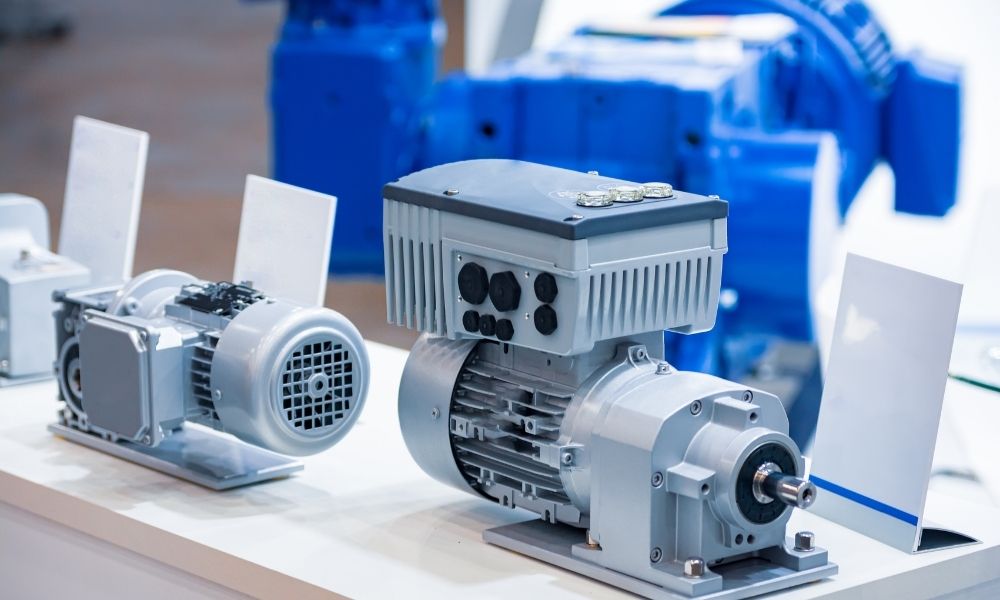
In an era where digital technology seems to have replaced mechanical systems in almost every sector, the persistent presence of rotary frequency converters in heavy industry can seem like a technical anomaly. Solid-state, or digital, Visicomm Industries rotary frequency converters have certainly made significant gains due to their smaller footprint, lack of moving parts, and lower initial purchase price. However, when the stakes involve multi-million dollar machinery, sensitive laboratory experiments, or the high-demand environments of aerospace and defense, many engineers still specify rotary units. The reason for this preference is not nostalgia but rather the unique physical properties of rotating mass that digital alternatives simply cannot replicate.
Total Electrical Isolation and Harmonic Purity
While digital converters use complex filtering to try and produce a clean output, they are still fundamentally connected to the input source through electronic circuitry. This connection can allow high-frequency noise and electromagnetic interference to “leak” through to the sensitive equipment. Rotary converters provide what is known as total galvanic isolation. Because the motor and the generator are two separate electrical entities connected only by a mechanical shaft, there is no direct electrical path between the utility grid and the industrial load.
This physical separation is the ultimate defense against harmonic distortion and voltage spikes. In laboratories or testing facilities where even a small amount of electrical noise can ruin a delicate experiment or produce false data, the pure sine wave generated by a rotary unit is the gold standard. While digital units have improved their filtering capabilities, they still struggle to match the naturally low total harmonic distortion that a high-quality rotating generator produces as a byproduct of its physical design.
Handling Extreme Inrush Currents and Overloads
Industrial machinery often requires a massive surge of power when it first starts up, a demand known as inrush current. Motors, compressors, and large fans can pull five to ten times their normal operating current for several seconds during startup. Digital frequency converters are notoriously sensitive to these surges. To handle high inrush currents, a digital unit must be significantly oversized, which dramatically increases the cost and complexity of the electronic components.
Rotary converters are much more robust in this regard. The mechanical momentum of the generator allows it to handle massive, short-term overloads without failing or tripping a circuit. The generator can “dig in” and provide the necessary torque to get a heavy load moving, briefly pulling from its stored kinetic energy to bridge the gap. For heavy-duty industrial applications where equipment is constantly cycling on and off, the durability and surge capacity of a rotary system provide a level of reliability that electronics find difficult to sustain over long periods.
Longevity and Serviceability in Harsh Environments
The environment of a typical industrial facility is rarely friendly to sensitive electronics. Dust, heat, humidity, and vibrations can cause the capacitors and microchips in a digital converter to fail prematurely. While these units are often considered “disposable” or require expensive board replacements when they fail, rotary converters are built with the same rugged philosophy as the heavy machinery they power. A well-maintained rotary unit can easily operate for thirty years or more with basic mechanical upkeep.
Serviceability is another key factor for facility managers. If a digital converter fails, the repair usually involves specialized diagnostic equipment and proprietary replacement parts that may no longer be in production. A rotary converter, however, consists of bearings, windings, and brushes—components that any skilled industrial electrician or motor shop can service. This ease of repair ensures that the facility is not held hostage by a single manufacturer’s supply chain, providing a lower total cost of ownership over the decades-long lifespan of the equipment.
Conclusion
The choice between rotary and digital frequency converters is ultimately a choice between two different philosophies of power management. Digital units offer convenience and lower initial costs for light-duty applications, but they lack the physical resilience required for the most demanding industrial tasks. Rotary frequency converters remain essential because they leverage the laws of physics to provide mechanical inertia, electrical isolation, and surge capacity that electronic switching cannot match. As long as industrial facilities prioritize reliability, equipment longevity, and pure power quality, the hum of the rotating motor-generator will continue to be the sound of a well-protected production line. By choosing the mechanical route, these facilities ensure that their most valuable assets are shielded from the uncertainties of the modern electrical grid.


